All the Information You Require About Surgical Abortion
A surgical abortion is a type of pregnancy termination. Although most abortions are minimally intrusive and do not require general anesthesia, the word “surgery” is frequently used. For those who choose to have their abortion done in a clinic or hospital, surgical abortions are a good choice.
Most people also have the option of getting a medical abortion, which usually happens at home.
Vacuum aspiration is a gentle suctioning technique used in the majority of surgical abortions. The surgery itself usually takes 5 to 10 minutes, though you can spend many hours in the clinic.
Compared to medicinal abortion, or “the abortion pill,” surgical abortion is frequently an option later in a pregnancy. However, your state’s laws and the policies of the clinic or hospital you visit will determine how late in pregnancy you can have an abortion.
Some states no longer allow surgical abortions due to recent changes in the country’s abortion laws. You can still choose to have abortion pills mailed to you, though. To find out more about your alternatives, continue reading.
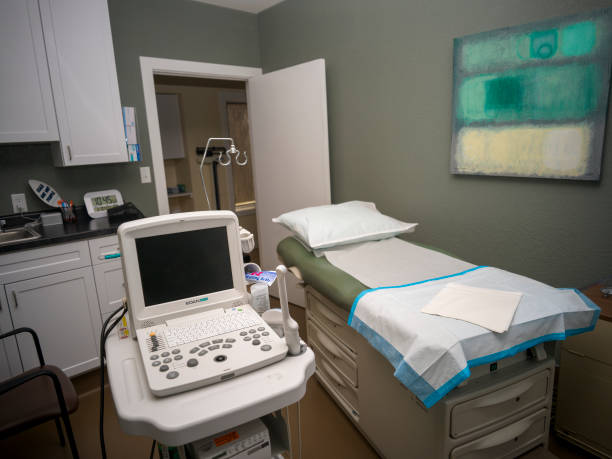
Abortions, whether medicinal or surgical, are safe and efficient medical treatments. Additionally, many people now have easier access to medical abortion.
However, there are a number of reasons why someone would prefer surgical abortion to medicinal abortion. Among them are:
Gestational age: Medical abortion will be less successful if it has been more than 11 weeks since the start of your most recent menstrual cycle.
Procedure time: Medical abortions can take up to 24 hours, whereas surgical abortions are completed in a few hours in the clinic.
Medical personnel: Some individuals would rather have an abortion under the guidance of physicians and nurses than at home.
Confirmation: Your doctor checks your uterus following a surgical abortion to ensure the surgery was successful.
Medical history: Patients may feel safer in a hospital if they have specific medical issues, such as bleeding disorders.
During a surgical abortion, the uterus’ contents are extracted by doctors using mild suction. Over 99 percent of the time, these procedures are safe and successful. It is possible to repeat the process in the unlikely event that it fails.
Using a combination of drugs (mifepristone and misoprostol) to help terminate the pregnancy and expel the contents of your uterus is known as a medical abortion.
For those who have been pregnant for nine weeks or less, the abortion pill works 94–96% of the time. The next several weeks see a minor decrease in its effectiveness. But if necessary, the dosage can be changed.
Surgery is an option if a medicinal abortion is not successful.
You should anticipate spending three to four hours at the hospital or clinic on the day of your treatment. Although the operation itself is brief, you will need to spend some time in the recovery area, read and sign some paperwork, and get ready for the procedure.
A doctor or nurse may give you some medicine to aid with cramps before to your surgery. Additionally, they might give you medicine to assist open the cervix, which is the opening that connects your uterus and vagina.
A few hours or even the day before your treatment, doctors may implant tiny dilators into the cervix. These dilators take up bodily fluids. They gradually enlarge and widen your cervix.
You will usually be administered minimal sedation prior to the start of the surgery. You may feel relaxed and drowsy but stay aware, or you may fall asleep entirely, depending on the kind of sedation the doctor administers.

The most popular kind of abortion, a vacuum aspiration, takes five to ten minutes to perform.
The physician and nurses will accomplish the following during your procedure:
- Examine your uterus
- Introduce a speculum into your vagina
- Stabilize it, inject a numbing drug into it, open it using dilators
- Insert a tube into the cervix
- Apply mild suction to remove pregnant tissue.
Cramping is common during the treatment, but it usually goes away once the tube is taken out of the uterus.
Your doctor may check your uterus to make sure it is fully empty right after the surgery. After that, you will be taken to a recovery area to recuperate.
Your doctor may conduct a modified technique called as a dilatation and evacuation (D&E) if it has been more than 16 weeks since your previous menstruation. In order to help your doctor remove the pregnancy tissue from your uterus, these treatments usually entail stronger suction and more surgical instruments.